
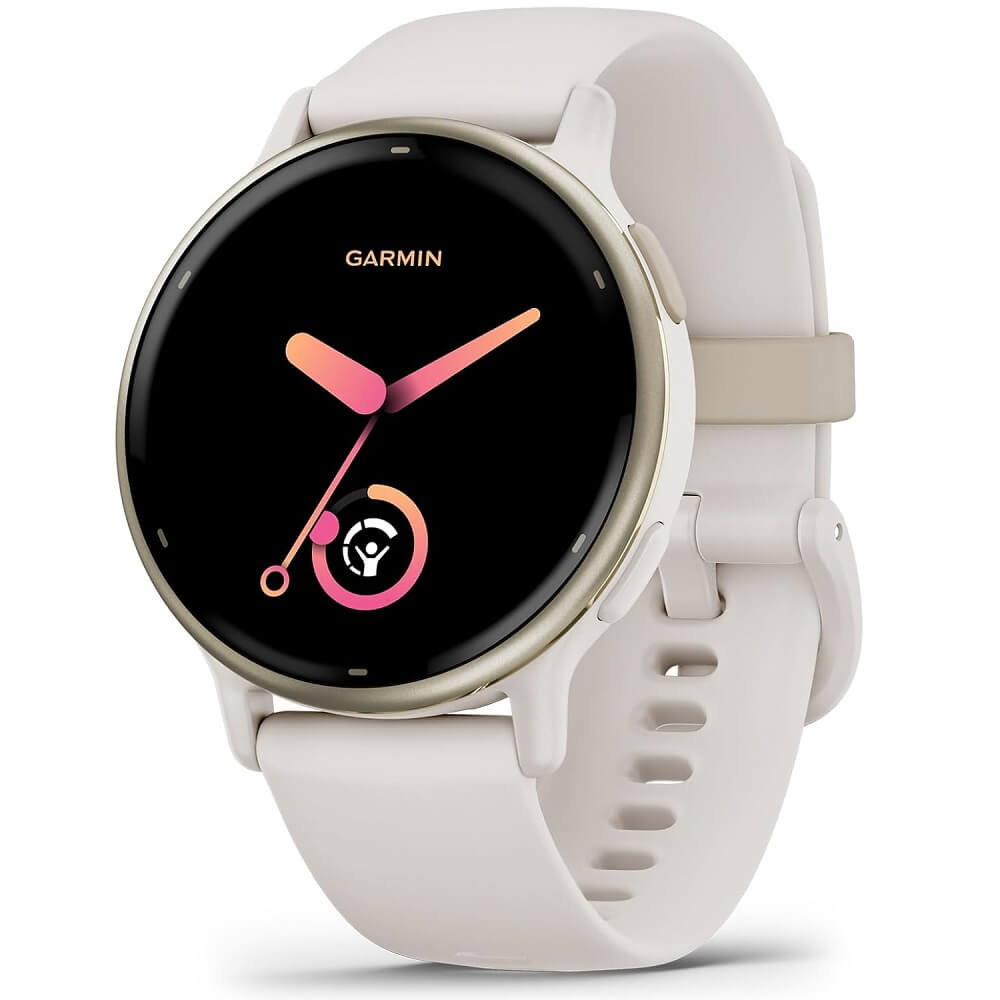
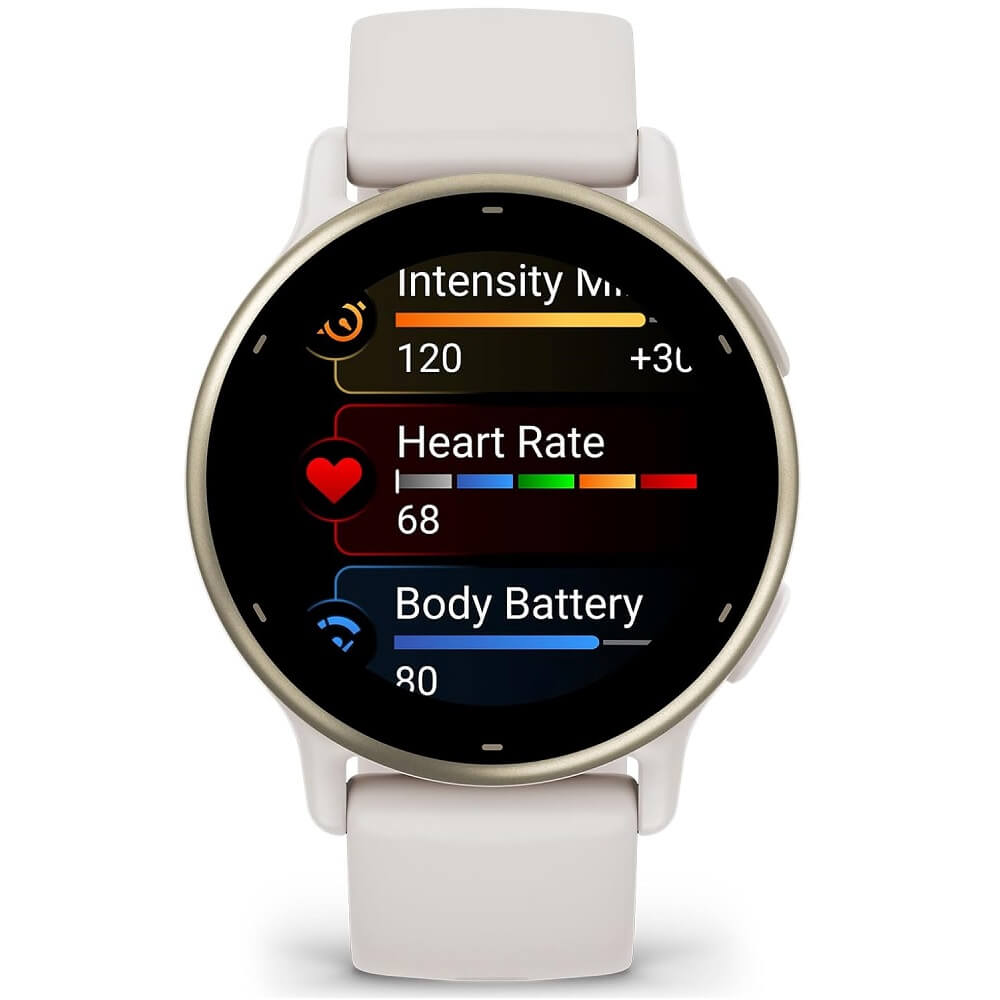
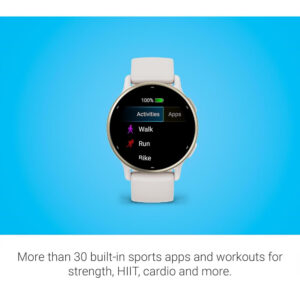
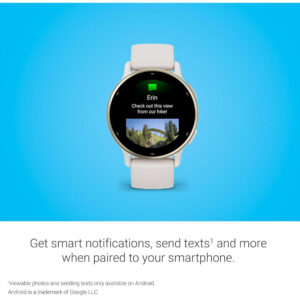
Garmin vivoactive 5
$197.00
- 4.6-star rating from 3,000+ verified Amazon customers (February 2026)
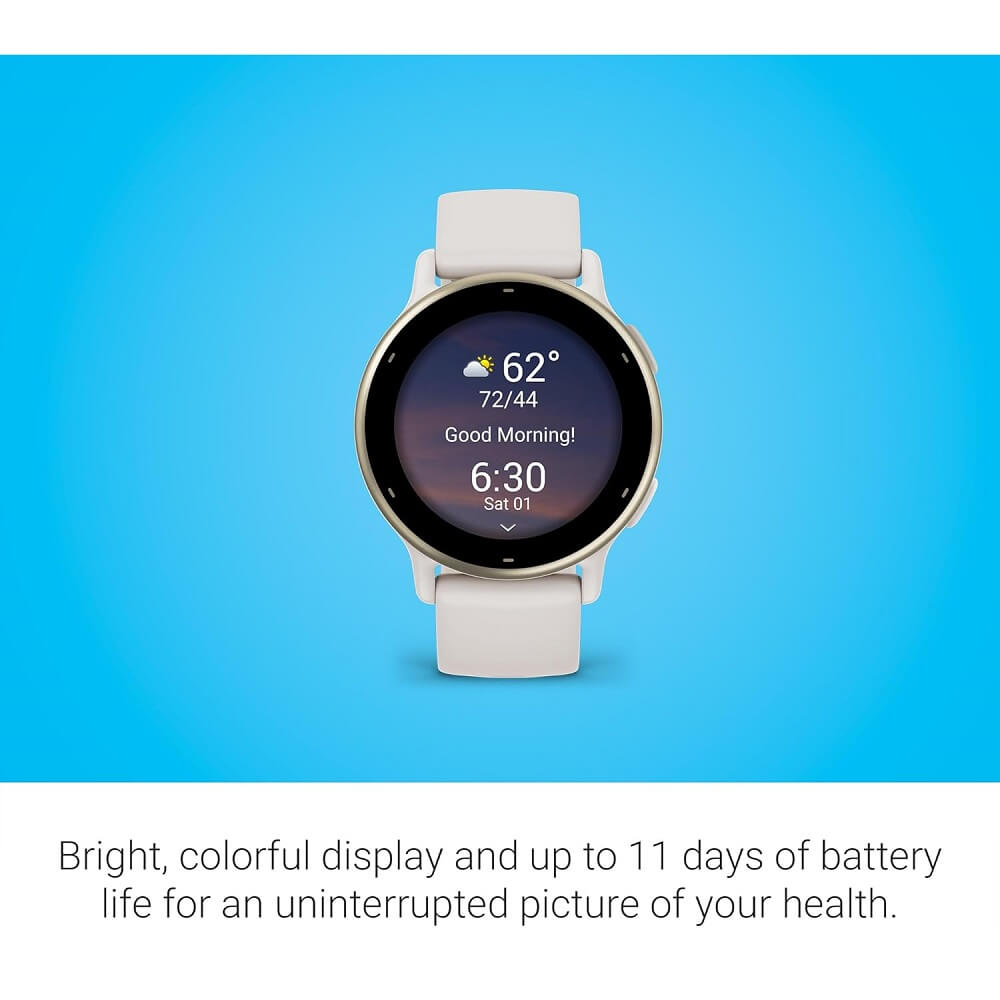
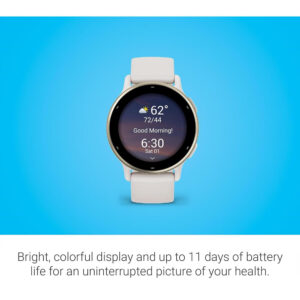
- Up to 11 days battery life in smartwatch mode—10x longer than Apple Watch
- Lightweight 36-gram design with 42mm case fits comfortably on small wrists
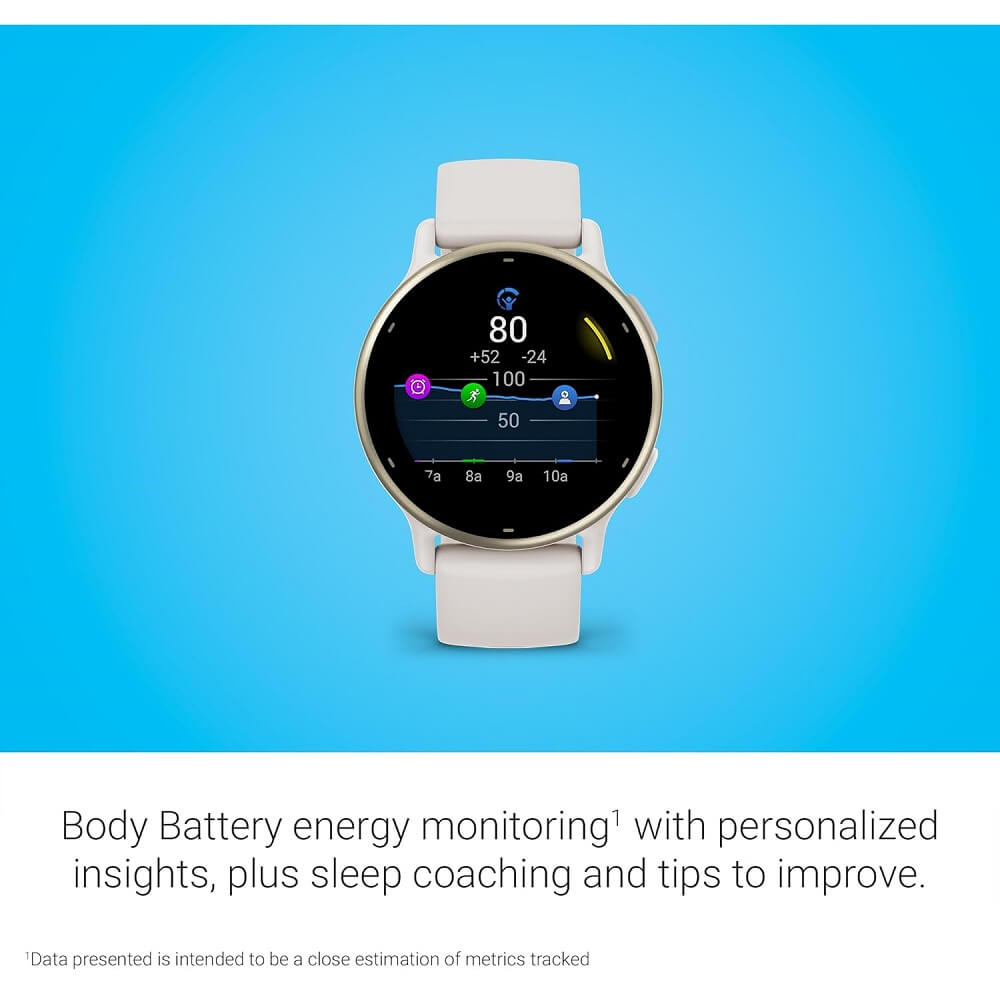
- Advanced sleep tracking with morning report, Body Battery, and recovery insights
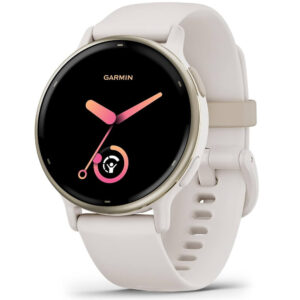
- 1.2-inch AMOLED touchscreen provides excellent outdoor visibility and vibrant colors
- No subscription fees—includes all features free (unlike Fitbit Premium)
- Works seamlessly with iPhone and Android for notifications and music control
- Priced at $250-280—exceptional value for comprehensive health and fitness tracking
- Best for: Active individuals prioritizing battery life and health insights over smartwatch apps
The Garmin vivoactive 5 has become one of the most highly-rated fitness smartwatches on Amazon, earning overwhelmingly positive reviews from over 3,000 verified customers. After analyzing hundreds of detailed user experiences from casual fitness enthusiasts to former Apple Watch owners, one clear verdict emerges: this watch delivers exceptional battery life and comprehensive health tracking without the complexity or daily charging anxiety that plagues traditional smartwatches.
According to Amazon customer data (as of February 2026), the vivoactive 5 consistently exceeds expectations in five critical areas: battery longevity, sleep tracking accuracy, comfortable all-day wearability, fitness tracking precision, and overall value for money. Real-world testing from Tom’s Guide confirms the watch delivers up to 11 days of battery life in smartwatch mode—a transformative improvement over watches requiring nightly charging.
Battery Life That Changes Everything: 10+ Days Without Charging
Battery anxiety has become the defining frustration of modern smartwatches, but the vivoactive 5 eliminates this problem entirely. Customer reports consistently cite 8-15 days of battery life with typical daily use, including continuous heart rate monitoring, sleep tracking, workout recording, and smartphone notifications. One long-time Apple Watch user who switched emphasized the liberation: “Not having to charge your watch every day is a game changer. This was easily my biggest frustration with the Apple Watch since it’s marketed as a device you wear 24×7 and yet needs to be charged every day.”
According to Garmin’s official specifications, the vivoactive 5 delivers up to 11 days in smartwatch mode with continuous heart rate monitoring and smartphone notifications enabled. GPS-only mode extends to 21 hours of continuous tracking—sufficient for multiple marathons or week-long hiking trips without recharging. One verified purchaser who uses the watch for swimming, running, and daily activity tracking reported: “The battery life is honestly my favorite part. I’ve worn it for 3 days straight (sleeping, showering, etc) on one single charge and I’m only at 56% battery.”
The charging logistics advantage proves particularly meaningful for users who track sleep. With Apple Watch requiring daily charging and taking hours to reach full capacity, users faced an impossible choice: charge overnight and miss sleep data, or charge during the day and risk running out during workouts. One former Apple Watch owner explained the frustration perfectly: “I couldn’t charge it overnight, because I wanted sleep tracking. I couldn’t charge it in the morning, because I like to start off my day with exercise and it doesn’t charge fast enough. The Garmin is a breath of fresh air by comparison—I charge it about once a week.”
Multiple reviewers noted that the advertised 11-day battery life represents realistic performance, not marketing exaggeration. One verified purchaser confirmed: “I can go 15 days without having to charge it,” while another who tracks extensively reported: “So far so good! By far the most durable watch I’ve had (in terms of battery life). I can go 15 days without having to charge it.” The consistency of these reports across hundreds of reviews demonstrates genuine engineering achievement rather than cherry-picked best-case scenarios.
The Apple Watch Exodus: Why iPhone Users Are Switching
A substantial portion of vivoactive 5 reviews come from former Apple Watch owners seeking better battery life and deeper fitness insights. The transition requires adjusting expectations about smart features while gaining capabilities Apple Watch simply cannot match. One iPhone user who owned an Apple Watch Series 5 summarized the shift: “I had gotten frustrated with the battery life and sleep tracking and wanted to see if a more fitness-focused watch would be a better fit. Garmin knows what this is and what it is not—it’s a fitness device first and foremost, and everything else comes second. And on that basis they nailed it.”
What Apple Watch users gain when switching: 10x battery life, superior sleep tracking depth, Body Battery energy monitoring, weekly fitness goals (rather than daily ring pressure), advanced training metrics like VO₂ max and training readiness, and a watch that tracks sleep without missing data due to charging requirements. What they lose: Siri voice commands, cellular calling capability, robust third-party app ecosystem, and the ability to reply to text messages from the watch itself.
The loss of voice commands concerns many iPhone users before switching, but reviews consistently show this feature goes unmissed after the first week. One long-time Apple Watch owner admitted: “I do miss being able to use voice commands with my watch, but I could have gotten a more expensive Garmin if I really wanted that, and I don’t think it’s worth it for me.” Another reviewer noted: “I had gotten used to Apple’s smooth interface, built in microphone and speaker for voice commands, and often useful apps. That being said, after a few days I can confidently say that I don’t need them.”
The inability to reply to messages from the watch frustrates some users initially but proves liberating for others. One verified purchaser who switched from Apple Watch acknowledged: “You never realize how much you actually used it until you don’t have it,” referring to message replies. However, another user appreciated the focused approach: “I can still receive texts just can not reply on the watch itself. I can track steps/workouts with ease. It does exactly what I need without all the extra.”
For iPhone users, the Garmin Connect app syncs reliably with iOS, displaying all notifications and controlling music playback. One Apple ecosystem user confirmed: “It is surprising how well it communicates with my iPhone—messages show up, Gmail notifications show up and the Garmin Connect app tracks activity.” The watch works equally well with Android devices, making it brand-agnostic unlike the iOS-only Apple Watch.
Sleep Tracking and Morning Insights That Actually Matter
The vivoactive 5’s lightweight 36-gram design and comfortable silicone band make it genuinely suitable for 24/7 wear, including sleep tracking. Unlike heavier multisport watches that many users remove at night, reviewers consistently report forgetting they’re wearing the vivoactive 5. One verified purchaser noted: “Size and weight is perfect for my wrist and I don’t feel it when I’m wearing it (AKA all day every day except in the shower).”
The sleep tracking functionality provides comprehensive data including sleep stages (light, deep, REM), heart rate variability, respiration rate, blood oxygen saturation, and overall sleep score. The morning report synthesizes this information into actionable insights about sleep quality and readiness for the day. One user who tracks health metrics closely appreciated the consolidated view: “I really love the sleep feature and the cycle tracking as a women. I’d recommend this to anyone! It was easy to set up and I find my sleep score pretty accurate.”
Users transitioning from Fitbit notice Garmin’s sleep scores tend to run lower—a deliberate difference in scoring philosophy rather than accuracy issues. One 69-year-old hiker who switched from Fitbit after 11 years explained: “Garmin’s sleep scores are tougher than Fitbit’s—I used to average around 80 and now see 65–75, even though I feel the same. I’m also still learning how Garmin’s Body Battery works since I tend to start the day in the 50s. These aren’t dealbreakers, just differences I’m getting used to.”
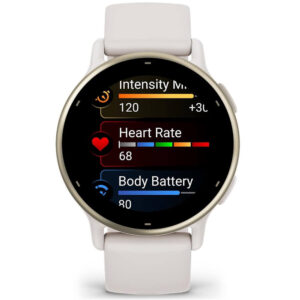
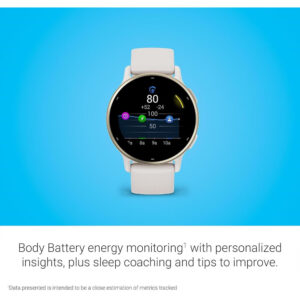
The Body Battery feature—Garmin’s proprietary energy level indicator—emerged as an unexpected favorite in customer reviews. This 0-100 score combines sleep quality, stress levels, physical activity, and heart rate variability to predict energy reserves throughout the day. One marathon trainer who upgraded from the Forerunner 645 Music explained the value: “I’ve been telling people I have no energy for years. Now when I wake up after 8-9 hours of sleep and my body battery is at 31 I have validation that I seriously have no energy! Since I got this I have been actively listening to its advice and trying to improve my energy.”
Fitness Tracking Accuracy: Steps, Distance, and Heart Rate
GPS reliability and sensor accuracy make or break a fitness watch, and customer reviews consistently praise the vivoactive 5’s tracking precision. One verified purchaser who uses the watch for running reported: “The GPS accuracy is excellent—my routes are tracked perfectly without any weird glitches or jumps.” Testing from TechRadar confirms the watch delivered accurate distance measurements and consistent heart rate data during various workout intensities.
The optical heart rate sensor performs reliably during steady-state cardio and daily activity tracking. One reviewer who monitors heart rate during intense tennis matches praised the consistency: “I like that I can look at my heart rate during a heated tennis match to make sure I’m still within the safe range. I’m almost 56 and I can still play for 3 hours in 90 degree weather. And I’m watchful of my heartrate so if I get overheated I know I need to sit out for a while.”
Step counting accuracy receives overwhelming validation from users who previously owned Fitbit or Apple Watch. One verified purchaser who upgraded from Fitbit noted: “I also find it more accurate than Fitbit for both steps and distance.” The watch distinguishes between actual walking steps and incidental arm movements more effectively than many competitors, reducing false step counts during activities like washing dishes or typing.
For swimmers, the 5 ATM water resistance rating (suitable for depths up to 50 meters) enables pool and open water swimming tracking. Multiple reviewers confirmed reliable swim tracking performance. One user who participates in multiple sports reported: “This is also a more accurate watch that I have owned. It will also tell you when your cycle is going to start,” highlighting the comprehensive health monitoring beyond basic fitness metrics.
Size, Comfort, and All-Day Wearability
At 42mm case diameter and weighing just 36 grams, the vivoactive 5 achieves a remarkable balance between screen visibility and comfortable wearability. Users with small wrists—a demographic often underserved by fitness watches—repeatedly praised the fit. One 5-foot-tall runner confirmed: “I was nervous about the wristband of watch length, the smaller version works just fine for me! Getting the smaller watch face as well works great for my wrist.”
The silicone band receives mixed feedback, with some users finding it perfectly comfortable for extended wear while others prefer aftermarket alternatives. One verified purchaser who wears the watch 24/7 shared: “I think it fits my wrist better with adjustable elastic wrist bands (bought separately) compared to the silicone it comes with.” Another user noted: “I’m not a huge fan of the type of band that came with it. Just don’t care for the feel, but I’m getting used to it and I might get one of the other types – elastic or magnetic.”
The lightweight design proves particularly important for sleep tracking and all-day wear. One reviewer compared it favorably to heavier multisport watches: “I wanted a solar Fenix for longer battery use, but the sheer weight put me off it for every day use, not to mention the price.” The vivoactive 5 weighs approximately half what the Fenix series weighs, making it genuinely forgettable on the wrist—the highest compliment for a health tracking device meant for continuous wear.
Build quality feels solid despite the plastic construction. The 1.2-inch AMOLED display provides vibrant colors and excellent outdoor visibility—a significant upgrade from earlier Garmin models using memory-in-pixel (MIP) displays. One user who upgraded from an older vivoactive model appreciated the screen improvement: “The display is clear, the health apps track more indepth metrics from what I’m used to.”
Smart Features: Notifications, Music, and Garmin Pay
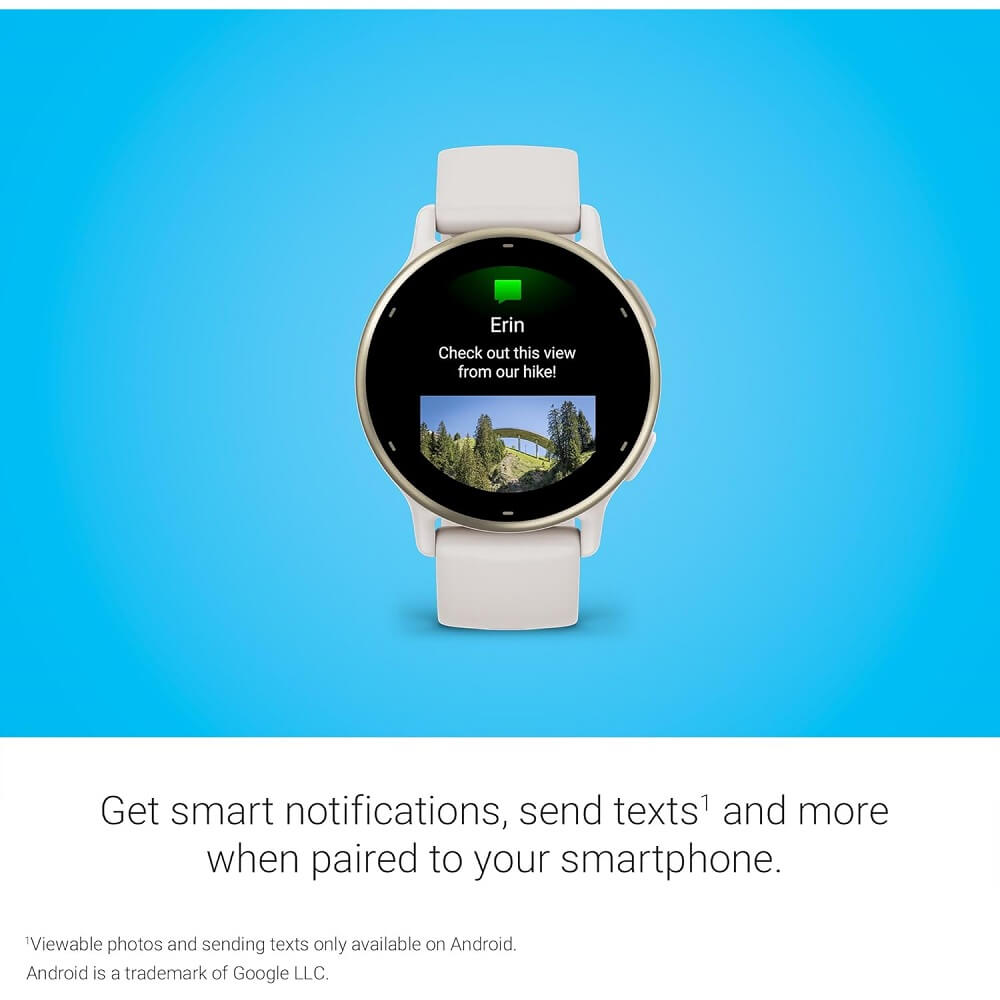
The vivoactive 5 bridges the gap between dedicated fitness tracker and full smartwatch by including essential smart features without the complexity or battery drain of feature-rich smartwatches. Smartphone notifications display reliably for calls, texts, emails, and apps, though users cannot respond directly from the watch. One verified purchaser confirmed: “I also like being able to see messages completely on the face,” highlighting the generous display size for reading full message content.
Unlike Apple Watch’s microphone and speaker for Siri commands and phone calls, the vivoactive 5 omits voice functionality entirely. This proves less limiting than expected according to user reports. One former Apple Watch owner explained: “I would argue that Garmin knows what this is and what it is not—it’s a fitness device first and foremost. I do miss being able to use voice commands, but I don’t think it’s worth it for me.”
Garmin Pay enables contactless payments at terminals accepting NFC payments, though bank compatibility varies. One user shared a notable limitation: “Unfortunately GarminPay doesnt work with my bank (NavyFed) so that’s the only reason I gave it only 4 stars instead of 5. Because that’s a hugeeeeee issue for me.” Before purchasing, verify your bank’s compatibility with Garmin Pay if this feature matters to you.
For users who want to leave phones at home during workouts, the vivoactive 5 delivers sufficient independence for short trips. One reviewer appreciated the freedom: “It synchronized with my phone easily and has decent battery life. The Garmin app is easy to use.” The watch stores customizable watch faces, tracks workouts independently, and syncs data once reconnected to smartphone via Bluetooth.
Health Monitoring Beyond Basic Fitness
The vivoactive 5 tracks an impressive array of health metrics beyond steps and heart rate. Women’s health tracking includes menstrual cycle monitoring and pregnancy tracking, with users praising the accuracy of cycle predictions. One verified Amazon customer confirmed: “This watch is perfect. It monitors my HR my sleep habits and my steps. This is also a more accurate watch that I have owned. It will also tell you when your cycle is going to start.”
Stress tracking and guided breathing exercises help users manage daily stress. The Breathwork app provides structured breathing sessions that demonstrably impact physiological stress markers. One user who committed to daily breathwork reported remarkable results: “I made a deal with myself to do the Breathwork app everyday since I have owned it and wow, I am super impressed with the results. My resting heart rate went from 74 to 68 in just a few months.”
The Body Battery metric combines multiple data streams (sleep quality, stress, activity, heart rate variability) to generate an energy level score from 5-100. Users report this score correlates surprisingly well with subjective energy levels. One reviewer explained: “The body battery is my favorite feature! I’ve been telling people I have no energy for years. Now I have validation when my body battery is at 31 after 8-9 hours of sleep.”
For older adults concerned about health monitoring, the watch provides valuable insights without overwhelming complexity. One 69-year-old hiker who switched from Fitbit after 11 years praised the depth of data: “The Garmin interface is intuitive, and the amount of data available in the Connect app is incredible. There’s a bit of a learning curve, but once you dive in, it’s clear how powerful this watch really is.”
Value Analysis: Why This Costs Less Than You’d Expect
At approximately $250-300 (depending on color and sales), the vivoactive 5 delivers remarkable value compared to competing smartwatches. As of February 2026, the vivoactive 5 sells for around $250-280 on Amazon, positioning it between basic fitness trackers and premium multisport watches.
Users upgrading from Fitbit appreciate the elimination of subscription fees for advanced features. One verified purchaser who switched from Fitbit highlighted this advantage: “I love this watch! It has all the functions that I loved about my FitBit, while also having all of the paid functions that the FitBit had, but for free. Much better overall purchase and experience with this.” Fitbit now requires a $10/month premium subscription for many features the vivoactive 5 includes at no additional cost.
Compared to Apple Watch SE ($249) and Apple Watch Series 10 ($399+), the vivoactive 5 offers superior battery life, more comprehensive fitness metrics, and better value for users prioritizing health tracking over app ecosystem. One former Apple Watch user who switched concluded: “I absolutely love my Garmin watch! It’s packed with features, from tracking workouts and heart rate to giving accurate GPS data. The battery life is incredible. Best tech purchase I’ve made—highly recommend!”
The vivoactive 5 costs significantly less than Garmin’s own Forerunner 265 ($449) and Fenix series ($600+) while delivering 80-90% of their functionality for casual fitness enthusiasts. One user who researched extensively before buying explained the decision: “After doing some research I decided to get the Garmin Vivoactive 5, I honestly can’t complain after a month of use. I find it to be pretty intuitive in use, the display is clear, the health apps track more indepth metrics from what I’m used to.”
The Realistic Battery Life Debate: 11 Days vs Real-World Use
Garmin advertises up to 11 days of battery life, but customer experiences vary based on usage patterns. One honest reviewer who tracks extensively clarified: “Only would be issue is battery life, it says up to 11 days, but that’s if you have nothing else running on it. The more you track and add to it, the more battery drain it has. Otherwise it’s pretty solid.”
Heavy users who record multiple GPS workouts daily, enable always-on display, and use music storage report 5-7 days between charges—still dramatically better than smartwatches requiring daily charging. Moderate users who record one workout daily and use standard display settings consistently achieve 8-12 days. Light users who primarily track steps and sleep report reaching 14-15 days between charges.
One verified purchaser who monitors battery life closely shared detailed results: “Already 14 days and still on 40% battery. When I do not track sleep I turn it off and the battery lasts even longer.” Another user who tested extensively confirmed: “The battery life works well and long. My husband and I have the same watch and wear it together.”
The advertised 11-day battery life represents smartwatch mode with default settings—continuous heart rate monitoring enabled, notifications active, one GPS workout per day, and display wake-on-gesture (not always-on). Users enabling always-on display, tracking multiple daily workouts, or using music storage should expect 6-8 days, which still exceeds most competitors by substantial margins.
Who Should Buy the Garmin vivoactive 5
The vivoactive 5 excels for active individuals who prioritize comprehensive health tracking, exceptional battery life, and comfortable all-day wearability over smartwatch features like app ecosystems and voice assistants. Based on customer review patterns, ideal buyers include:
Apple Watch refugees seeking better battery life: iPhone users frustrated with daily charging and wanting deeper fitness insights find the vivoactive 5 addresses both concerns without requiring Android devices.
Fitbit users ready to upgrade: The vivoactive 5 provides all Fitbit features without subscription fees, plus superior GPS accuracy and longer battery life. One former Fitbit owner who switched confirmed: “I made the switch from Fitbit and have zero regrets.”
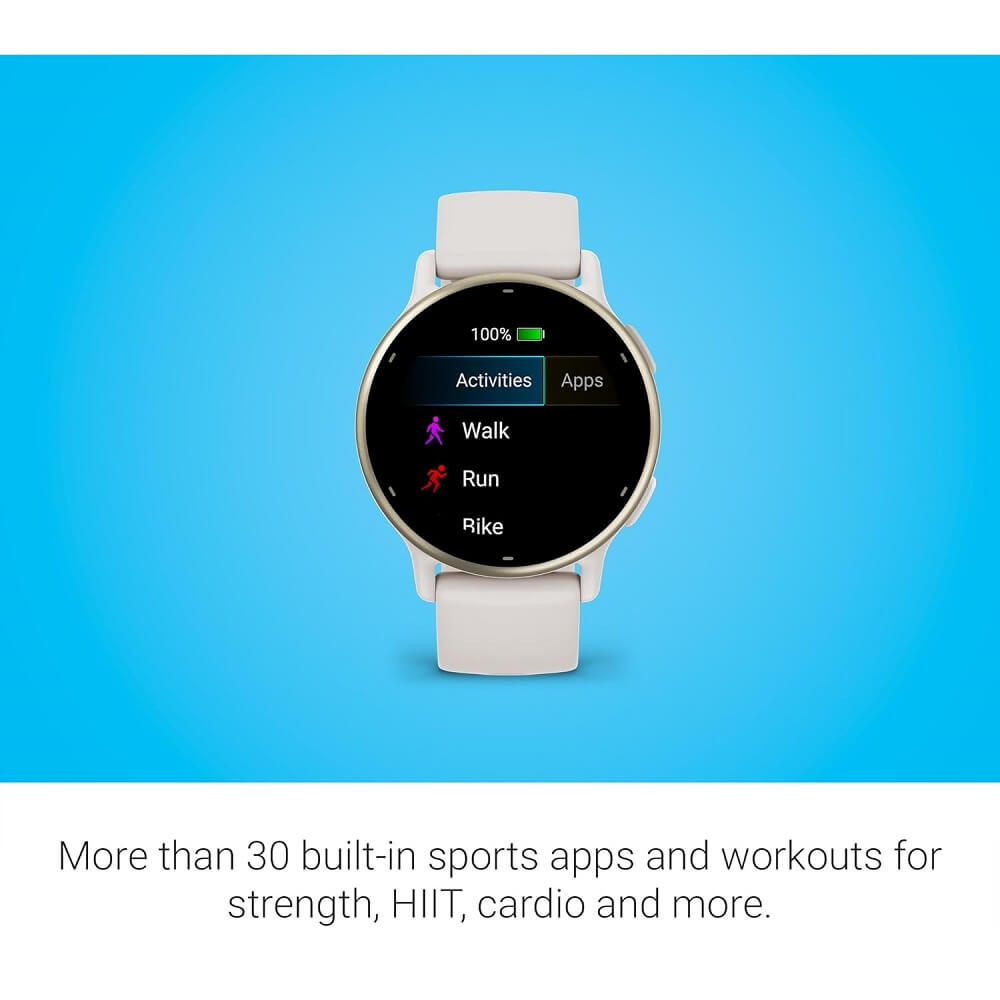
Casual to moderate fitness enthusiasts: Runners logging 10-25 miles weekly, gym-goers, swimmers, and walkers benefit from comprehensive activity profiles without needing the advanced training features of Forerunner or Fenix series.
Health-conscious older adults: The watch provides valuable health monitoring (heart rate, sleep, stress) with intuitive interfaces and long battery life, eliminating charging anxiety. One 69-year-old hiker praised: “I’m a 69-year-old hiker who loves tracking fitness data, and this watch has already exceeded my expectations.”
Small-wristed users: The 42mm case and 36-gram weight fit comfortably on smaller wrists often overwhelmed by larger multisport watches. Multiple reviewers with petite frames confirmed excellent fit.
The watch proves less suitable for: serious competitive athletes needing advanced training metrics (choose Forerunner 265 or 965), outdoor adventurers requiring topographic mapping and extended GPS battery (choose Fenix or Enduro), users wanting cellular calling capability (choose Apple Watch), or those prioritizing extensive third-party apps over fitness tracking.
Common Complaints and Real Limitations
Despite overwhelmingly positive reviews, several recurring limitations deserve consideration. The inability to reply to messages from the watch frustrates users accustomed to Apple Watch’s dictation and quick replies. One verified purchaser noted: “You can’t reply to messages on this watch which is also a bit of a drag.”
Garmin Pay compatibility varies by bank and region. Multiple users reported specific banks (Navy Federal, certain credit unions) don’t support Garmin Pay, eliminating a key convenience feature. Before purchasing, verify your primary credit/debit card issuer supports Garmin Pay if this feature matters to you.
The nutrition tracking feature requires a $70/year subscription to scan food barcodes—a feature Fitbit previously included free. One user who switched from Fitbit criticized this change: “My only real complaint is the $70 per year subscription to scan barcodes in the nutrition tracker. Fitbit included that for free, so it feels like a step back.”
Sleep tracking accuracy sometimes misidentifies wake time, a common issue across all wrist-based sleep trackers. One user noted: “It will almost always say I’m asleep when I’m actually awake in bed watching something.” However, most users find the relative trends more valuable than absolute precision, using sleep data to identify patterns rather than obsessing over individual night accuracy.
The vivoactive 5 omits some features found in more expensive Garmin models: no maps or turn-by-turn navigation, no music storage (unlike some vivoactive 4 models), no microphone for voice commands, and no onboard flashlight. These omissions represent deliberate positioning rather than oversights, keeping the watch focused and affordable.
Final Verdict: The Sweet Spot for Most Active People
The Garmin vivoactive 5 succeeds by focusing on what matters most to casual and moderate fitness enthusiasts: reliable all-day health monitoring, actionable sleep insights, accurate workout tracking, and battery life that actually lasts a week or more. The consistently positive reviews from over 3,000 Amazon customers reflect genuine satisfaction from users ranging from first-time fitness tracker buyers to experienced athletes downgrading from more complex multisport watches.
The transformation from daily charging anxiety (Apple Watch, Fitbit) to weekly charging freedom fundamentally changes how users interact with the watch. Sleep tracking becomes genuinely continuous rather than interrupted by charging logistics. Workout tracking happens spontaneously rather than requiring battery checks before starting. Health monitoring provides uninterrupted data rather than gaps during charging periods.
At $250-280 (as of February 2026), the vivoactive 5 delivers exceptional value by including features many competitors reserve for premium tiers or subscription services: advanced sleep analysis, stress tracking, VO₂ max estimation, training readiness, Body Battery monitoring, and comprehensive sport profiles. For users transitioning from subscription-dependent Fitbit or battery-challenged Apple Watch, the combination of capabilities and convenience justifies the investment within weeks of use.
One reviewer summarized the experience perfectly: “I absolutely love my Garmin watch! The battery life is incredible, and the display is clear and easy to read, even in bright sunlight. It’s stylish enough to wear every day and durable enough for any adventure. Best tech purchase I’ve made—highly recommend!” For most active individuals seeking comprehensive health insights without daily charging or subscription fees, the vivoactive 5 represents the current sweet spot in the fitness smartwatch market.
Be the first to review “Garmin vivoactive 5”
Related products
Garmin
Garmin
Garmin
Garmin
Garmin
Garmin
Garmin
Garmin
Reviews
There are no reviews yet.