
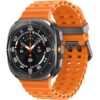
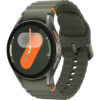
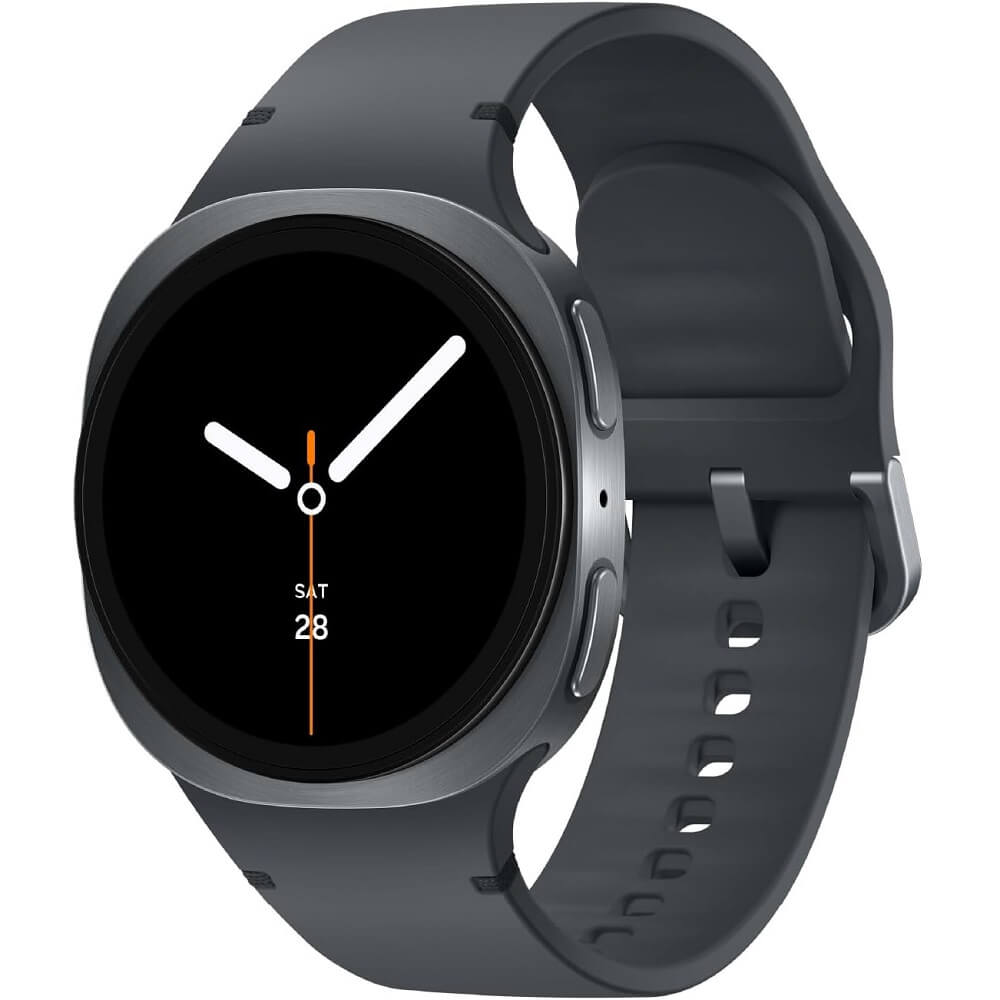


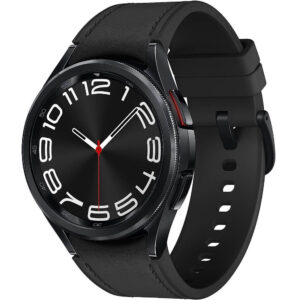
Samsung Galaxy Watch 8 Classic
$349.00
- Iconic rotating bezel returns with improved tactile feedback for intuitive one-handed navigation
- Premium 46mm stainless steel case with sapphire crystal and 3,000-nit display brightness
- Exynos W1000 3nm processor delivers smooth performance with 64GB storage (49GB usable)
- Advanced health sensors track Antioxidant Index, Vascular Load, plus FDA-cleared sleep apnea detection
- One UI 8 Watch on Wear OS 6 offers refined interface with multi-info tiles and Google Gemini AI
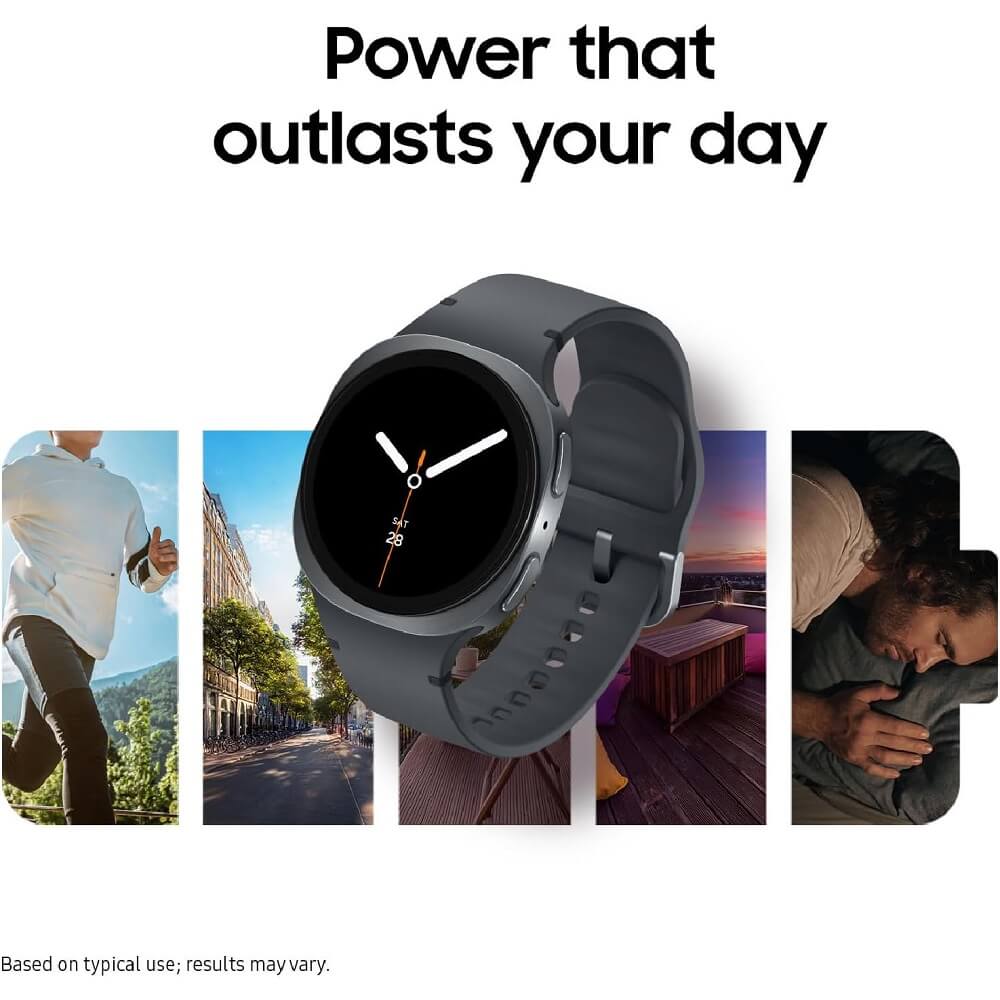
- Battery life averages 1.5 days with typical use, requires daily charging for heavy users
- Priced at $499 (Bluetooth) or $549 (LTE) – $150 premium over standard Watch 8
- Best for: Samsung Galaxy phone owners seeking premium rotating bezel experience with comprehensive health tracking
Smartwatches are nearly as ubiquitous in the wearable tech world as fitness trackers nowadays, and there’s no shortage of premium options. If you’ve pondered purchasing a high-end Android smartwatch, Samsung’s Galaxy Watch lineup is likely a name you’ve stumbled across—and for good reason. The Galaxy Watch 8 Classic represents Samsung’s flagship wearable for 2025, combining the iconic rotating bezel with cutting-edge health sensors and a redesigned case that splits opinion among enthusiasts.
According to Android Authority, the Galaxy Watch 8 Classic is positioned as Samsung’s premium smartwatch offering at $499, featuring a physical rotating bezel that sets it apart from the standard Watch 8. Real-world testing from multiple reviewers confirms the device delivers comprehensive health tracking, smooth performance with the new Exynos W1000 processor, and Samsung’s refined One UI 8 Watch experience. However, Android Central notes that the redesigned “cushion” case—borrowing design language from the Watch Ultra—creates an identity crisis that won’t appeal to all traditional watch enthusiasts despite the $150 premium over the standard model.
Customer feedback from verified buyers on Amazon reveals strong satisfaction with the Classic’s build quality and feature set. One long-time Samsung watch owner noted the battery life delivers “easily 2 full days” while praising the health trends and activity tracking that improved their sleep patterns. Another customer who upgraded from the Galaxy Watch 4 Classic highlighted the significantly better battery performance and the more refined rotating bezel with noticeably thicker detents for improved tactile feedback.
Design and Build Quality: The Polarizing Cushion Case
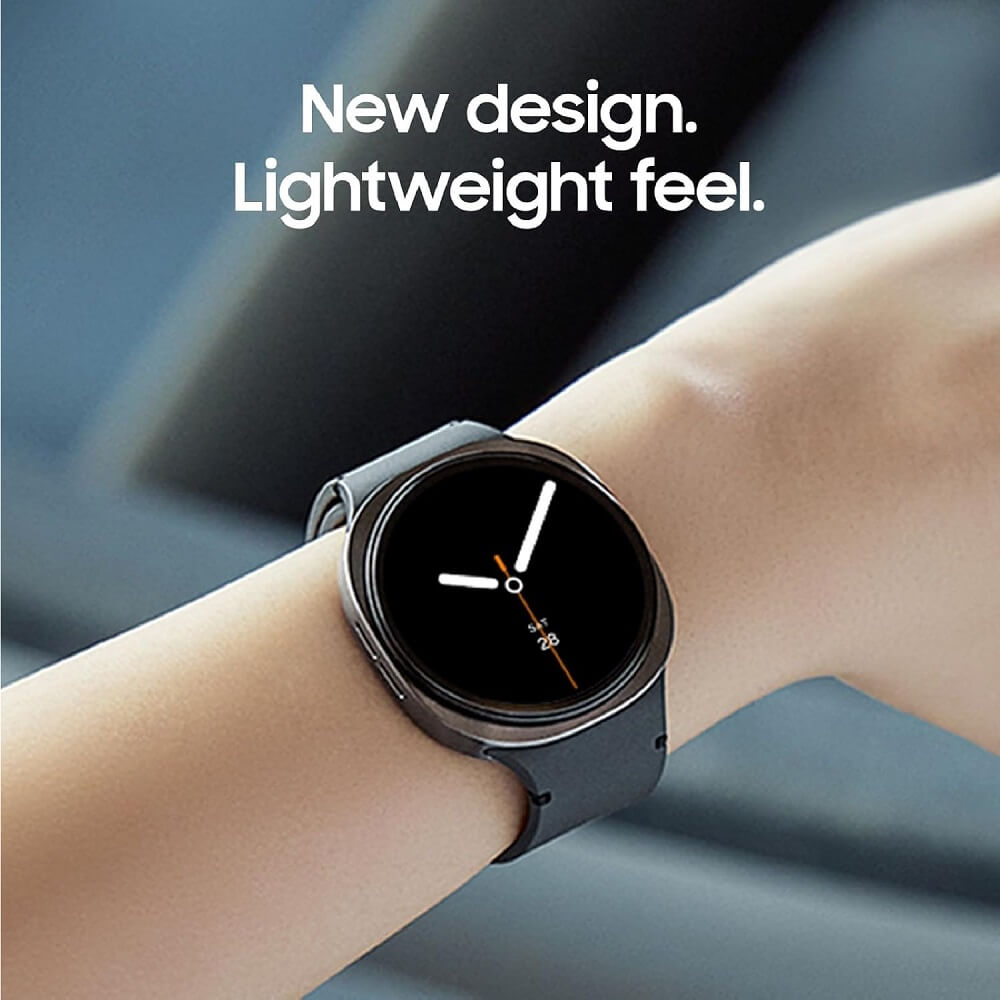
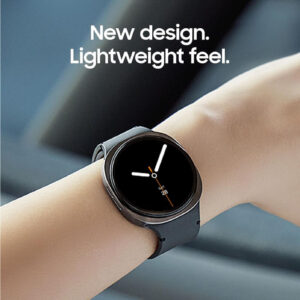
The Galaxy Watch 8 Classic introduces Samsung’s most controversial design decision in years—a squared-off “cushion” case that replaces the fully circular profile of previous Classic models. Tech Advisor describes the watch as “stuck in the middle,” noting it’s an awkward combination of the Classic’s rotating bezel heritage and the Ultra’s modern squared aesthetic. The 46mm case measures 13.1mm thick and weighs 63.5 grams, making it noticeably bulkier than the standard Watch 8’s thinner profile.
The physical rotating bezel remains the Classic’s signature feature, and it’s been refined for 2025. According to hands-on testing from Android Central, the bezel features “noticeably thicker indents and a chunkier feel” compared to the Watch 6 Classic, providing more satisfying tactile feedback when scrolling through menus and apps. This mechanical interface offers a significant advantage over touchscreen-only navigation, especially when wearing gloves or during workouts when fingers are sweaty.
Material quality lives up to Samsung’s flagship positioning. The watch features premium stainless steel construction available in Black and White color options, with Sapphire Crystal glass protecting the display. Amazon customer reviews consistently praise the build quality, with one verified buyer noting “the materials feel durable, the design is modern and suitable for both everyday wear and more formal occasions.” However, comfort receives mixed feedback—while some users forget they’re wearing it, others find the 46mm size and squared lugs create pressure points on smaller wrists.
The Dynamic Lug system introduced with this generation uses a push-button release mechanism that some reviewers find more finicky than traditional quick-release pins. One Amazon customer who owned previous Galaxy Watches observed that “pressing the little bar while also getting the latch part to go in” takes practice, though they ultimately succeeded in swapping bands. The 22mm lug width maintains compatibility with Samsung’s extensive accessory ecosystem and third-party strap options.
Display Performance: Brightness That Shines Through
The Galaxy Watch 8 Classic features a 1.34-inch Super AMOLED display with 438 x 438 pixel resolution, delivering a crisp 327 pixels per inch. The standout specification is the peak brightness of 3,000 nits—a significant leap that ensures excellent outdoor visibility even in direct sunlight. Android Authority confirmed in real-world testing that the display “stays crisp outdoors” without requiring manual brightness adjustments.
However, the display represents a step backward from the Watch 6 Classic in terms of size and resolution. As Tech Advisor points out, Samsung eliminated the 1.5-inch display option that was available in the previous generation, meaning users who prefer the Classic’s rotating bezel must accept the smaller screen despite the physically larger 46mm case. This compromise stems from accommodating the cushion case design and maintaining space for the mechanical bezel mechanism.
The Always-On Display (AOD) functionality works smoothly with customizable watch faces that maintain visibility without excessive battery drain. Customer feedback on Amazon consistently mentions the screen quality as a highlight, with multiple reviewers noting it’s “bright and clear” and “easy to read notifications, health metrics, and apps at a glance.” The sapphire crystal covering provides excellent scratch resistance, with no reported scratches after weeks of daily wear in professional testing.
Software Experience: One UI 8 Watch and Wear OS 6
The Galaxy Watch 8 Classic ships with Samsung’s One UI 8 Watch running on top of Wear OS 6, representing the most refined software experience Samsung has delivered for wearables. Android Authority calls it “my new favorite version of Wear OS,” praising the revamped tile system that now supports multi-info tiles and better app organization.
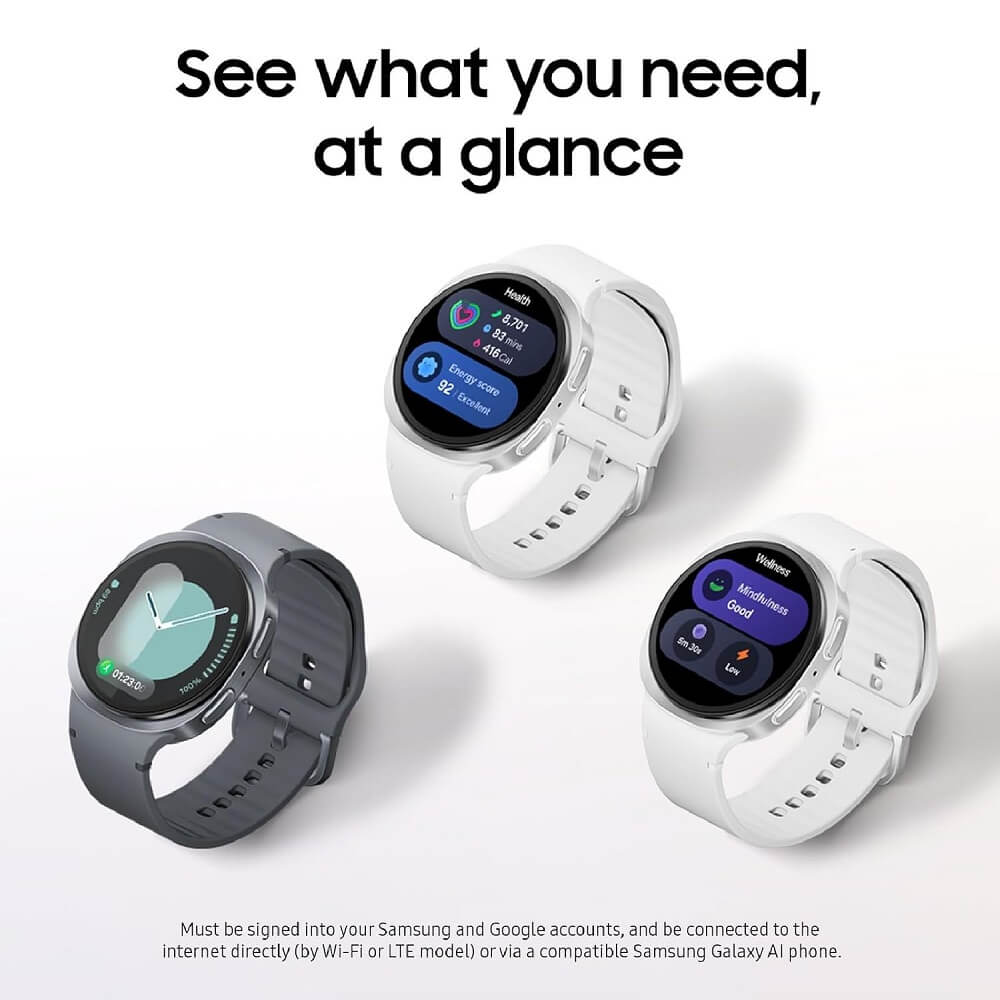
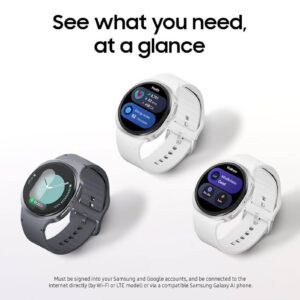
The software introduces several meaningful improvements over previous generations. The new “Now Bar” provides contextual suggestions throughout the day—reminding you to start a workout, tracking packages, or suggesting meditation when stress levels rise. Multi-Info Tiles consolidate related information into single swipeable panels, reducing the number of tiles needed to access key metrics. One Amazon customer who uses the watch as a nurse specifically appreciated how the app is “very intuitive” and praised “all the customization” available for tailoring the interface to specific workflows.
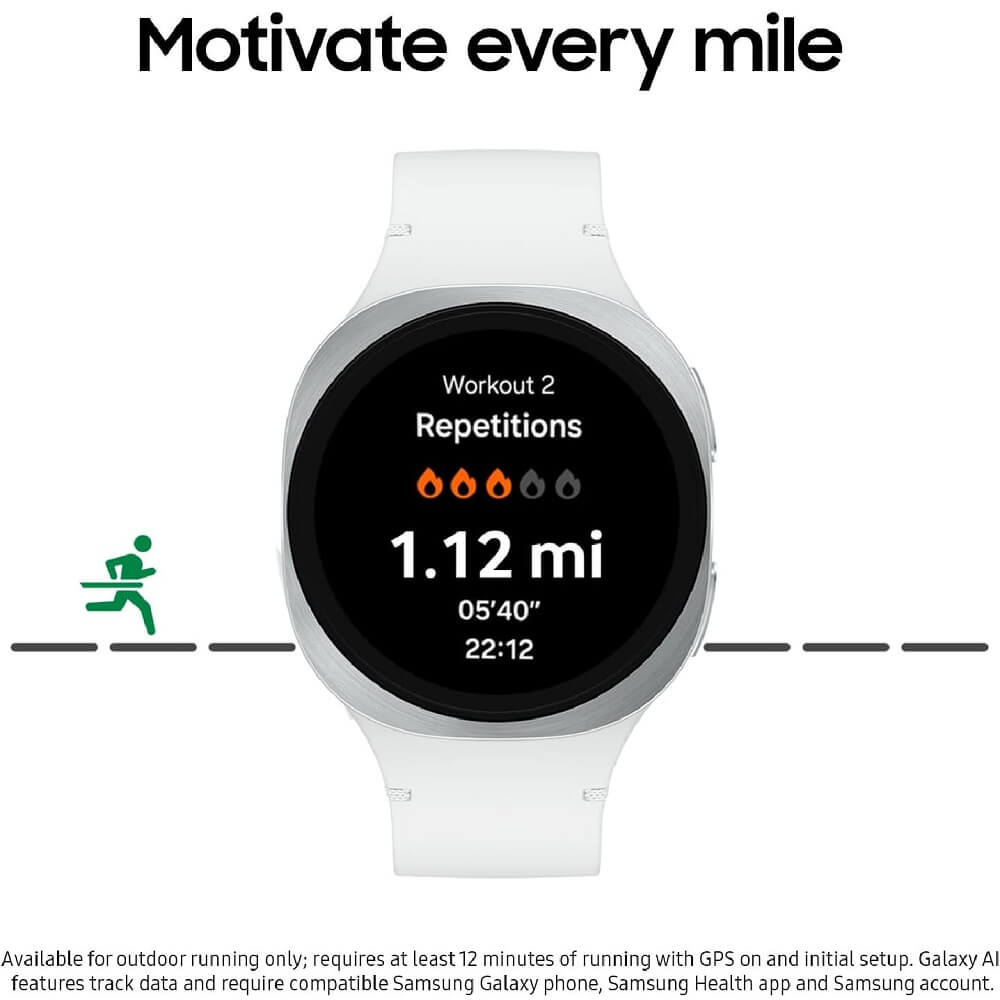
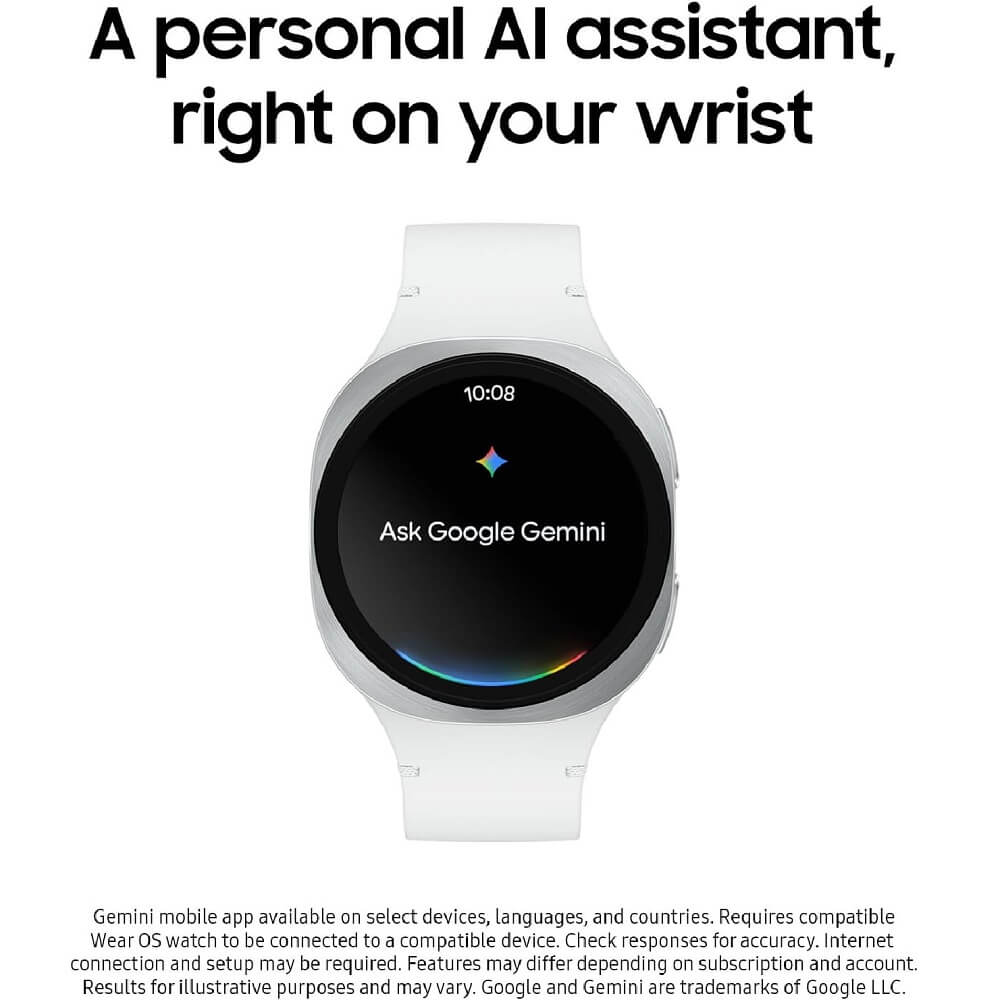
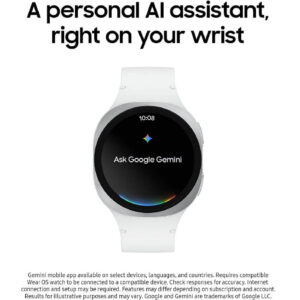
Google Gemini AI integration marks a significant addition for 2025. The AI assistant can analyze health data to provide personalized suggestions, though Android Central notes that some features like the Running Coach “disappointed” in real-world use due to generic advice that didn’t account for individual training history. Multiple Amazon reviewers mention the “AI assistant is great” for setting timers and handling quick tasks, though more complex queries sometimes struggle with the limited voice processing capabilities.
The Exynos W1000 processor built on a 3nm process delivers noticeably smoother performance than previous Galaxy Watches. App launches feel instantaneous, animation stutters have been eliminated, and the rotating bezel scrolling is buttery smooth without lag. The watch includes 64GB of internal storage (with approximately 49GB usable), providing ample space for music, apps, and offline maps—a significant upgrade from the 16GB offered in the Watch 6 Classic.
Samsung’s ecosystem integration remains a double-edged sword. Galaxy smartphone owners benefit from seamless pairing, automatic sync with Samsung Health, and features like blood pressure monitoring that require Samsung phones for FDA regulatory reasons. However, this ecosystem lock-in means some premium features remain inaccessible to non-Samsung Android users, limiting the watch’s appeal as a universal Android wearable.
Health and Fitness Tracking: Comprehensive Sensors with New Metrics
The Galaxy Watch 8 Classic introduces Samsung’s most advanced sensor array yet, featuring an upgraded BioActive Sensor that enables new health metrics beyond standard heart rate and SpO2 monitoring. According to Tech Advisor, the watch now measures Antioxidant Index and Vascular Load—metrics that “no other mainstream watch offers yet”—though their clinical significance remains debated among health professionals.
Heart rate accuracy proves reliable in both testing and customer feedback. Android Central validated the optical heart rate sensor against a Polar H10 chest strap during runs and found readings consistently within 3-5 BPM, meeting the accuracy threshold for fitness tracking though not clinical-grade monitoring. One Amazon customer with a cardiac history specifically praised the watch after comparing it to dedicated heart monitors, stating “it is spot on” and calling it essential for training after bypass surgery.
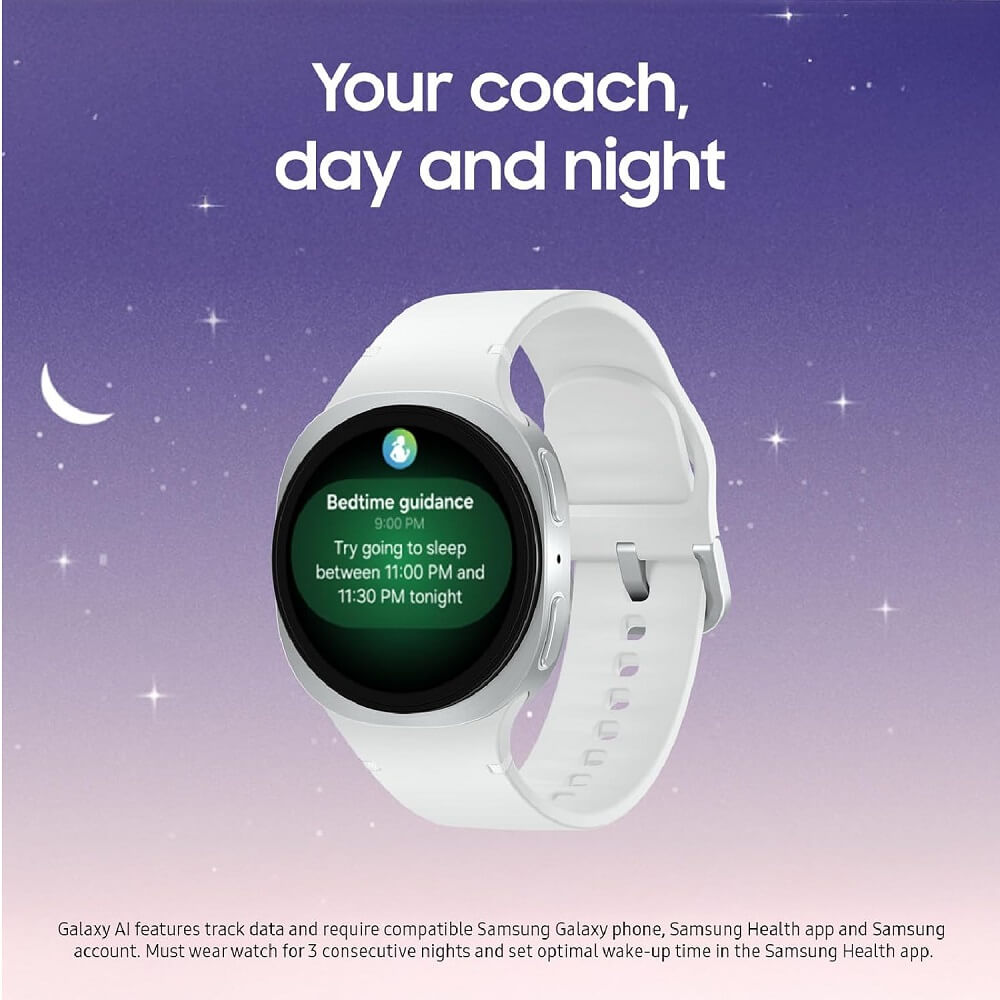
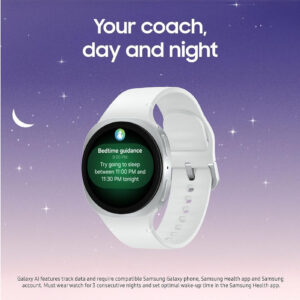
Sleep tracking receives substantial upgrades with the new sleep coaching feature powered by AI. The watch analyzes sleep stages, disturbances, blood oxygen levels, and snoring patterns to provide personalized bedtime guidance and morning recovery recommendations. An Amazon customer detailed their experience: “The AI-powered sleep coaching and bedtime guidance optimized my routine—I started waking refreshed instead of groggy.” The comfortable low-profile design makes all-night wear feasible, though the need to charge daily means users must choose between sleep tracking and maintaining adequate battery for the next day.
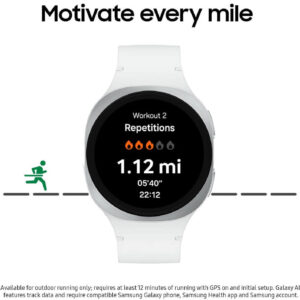
Workout tracking covers over 100 activities with automatic exercise detection for common workouts like walking, running, and cycling. Dual-band GPS accuracy tested favorably against dedicated fitness watches, with Android Central noting route tracking matched their Garmin Forerunner 970 within acceptable margins during urban runs with tree cover and tall buildings. Running dynamics including cadence, vertical oscillation, and ground contact time provide serious athletes with actionable training data.
ECG and blood pressure monitoring remain Samsung Galaxy phone exclusives due to FDA regulatory requirements. Users with compatible phones can take clinical-grade ECG readings to check for atrial fibrillation signs and monitor blood pressure trends after calibration with a traditional cuff. These features don’t replace medical devices but provide valuable health trend data for discussions with healthcare providers.
The watch now includes sleep apnea detection that received FDA clearance, making it one of the few consumer devices capable of screening for this serious condition. Over multiple nights, the watch analyzes blood oxygen drops and breathing disturbances to assess apnea likelihood, potentially identifying users who should seek professional sleep studies.
Battery Life: The Persistent Smartwatch Challenge
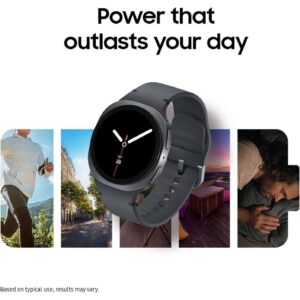
Battery performance remains the Galaxy Watch 8 Classic’s most criticized aspect across both professional reviews and customer feedback. Samsung rates the 445mAh battery for up to 30 hours with Always-On Display enabled, but real-world testing reveals more modest longevity. Android Authority documented approximately 1.5 days per charge with typical use including workout tracking, notifications, and AOD enabled.
Customer experiences on Amazon vary based on usage patterns and settings. One buyer reported “easily 2 full days” by charging during showers and commutes, while another noted they “need to charge it like every 24 hours or so” despite not running many apps. A verified purchaser who monitors usage closely observed “about 20% battery in a day” with heart rate monitoring, step counting, weather checks, and AI assistant use but without always-on display—suggesting AOD accounts for significant power consumption.
Battery optimization requires trade-offs that diminish the premium smartwatch experience. Disabling always-on display, reducing brightness, turning off continuous heart rate monitoring, and limiting workout GPS usage all extend runtime but negate features that justify the $499 price point. As one Amazon customer bluntly stated: “I love the watch but I wish I didn’t have to charge it EVERY SINGLE DAY. Even after limiting the functions, it still can’t hold a charge.”
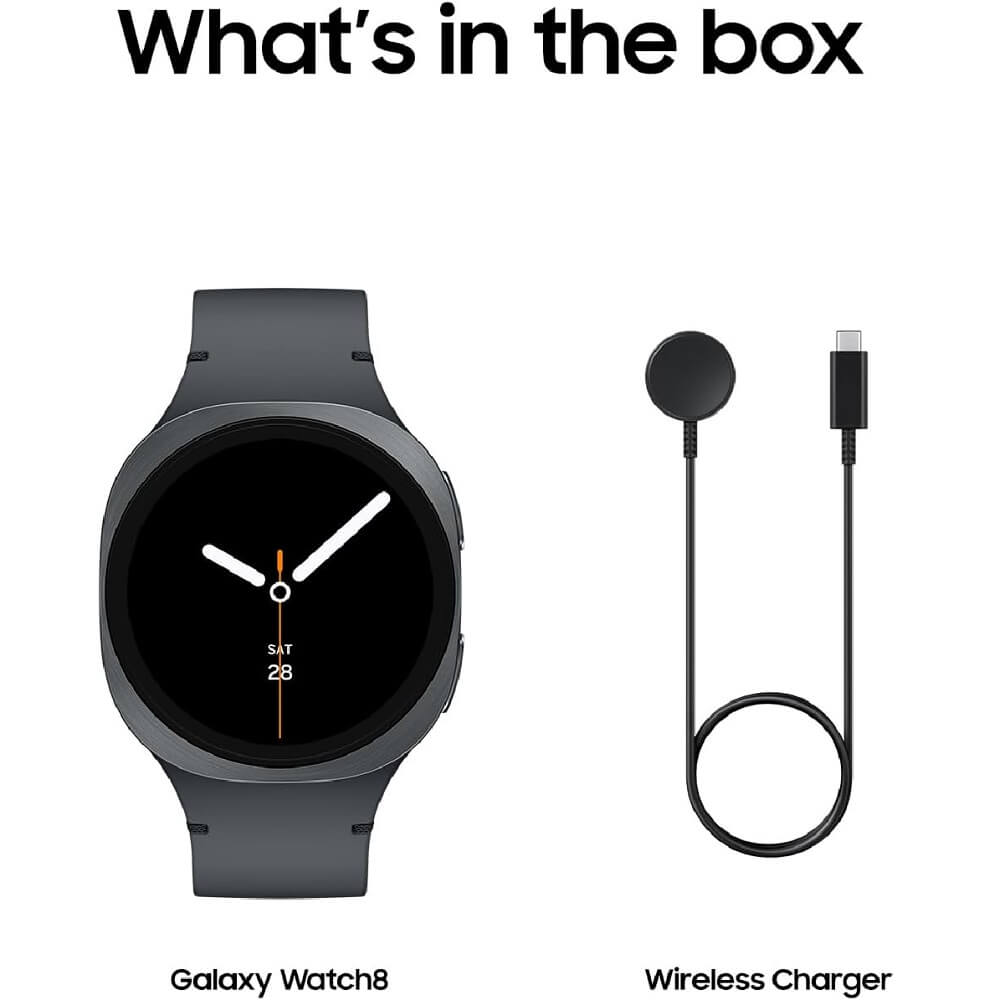
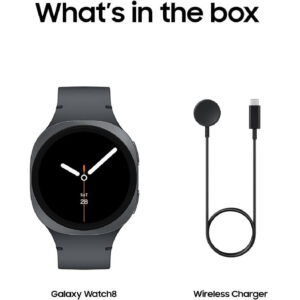
Charging speed provides some relief from the daily charging routine. The watch reaches 50% in approximately 30 minutes and fully charges in about 105 minutes using the included wireless charging puck. This means users can top up during morning routines or while showering without significant disruption. However, this still pales in comparison to fitness-focused competitors like Garmin watches that deliver 1-2 weeks per charge, albeit with less smart functionality.
The battery life conversation requires context about usage expectations. Users prioritizing smartwatch features—notifications, apps, music streaming, frequent GPS workouts—should expect daily charging. Those willing to disable smart features and use the watch primarily for health tracking can stretch to 2+ days. Android Central notes the watch “ran out of power in about a day and a half of use” even with moderate settings, falling short of the 30-hour claim but remaining functional for users who charge nightly.
Value Proposition: Justifying the $499 Premium
The Galaxy Watch 8 Classic carries a $499 starting price for the Bluetooth model, with LTE connectivity adding $50 for a total of $549. This positions it $150 above the standard Galaxy Watch 8 and $100 below the rugged Galaxy Watch Ultra, creating what Tech Advisor describes as being “stuck in the middle” of Samsung’s lineup.
The premium over the standard Watch 8 buys you three main differentiators: the physical rotating bezel, the cushion case design with sapphire crystal, and a slightly more premium aesthetic. Whether these justify $150 depends heavily on personal preferences. Android Central argues it’s “a tough sell with vintage perks,” questioning whether the rotating bezel alone—when paired with a non-traditional squared case—merits the significant upcharge.
Conversely, Android Authority makes the case that it “really is worth $500” by positioning it as the best Android smartwatch hardware available in 2025, particularly for Samsung Galaxy phone owners who unlock the full feature set. The watch competes directly with premium options like the Apple Watch Series 10 ($399-$499) and more expensive fitness-focused alternatives like the Garmin Epix Pro ($899), offering more comprehensive smart features than Garmin while providing better fitness tracking than standard smartwatches.
Amazon customers show strong price sensitivity in their feedback. Multiple reviewers note it’s “more expensive than the fitbit, but cheaper than the Oura ring” when comparing health tracking options. One customer appreciated it as offering “a lot of value for the money” after comparing it to budget alternatives that lacked accuracy and depth of features. However, several mention wishlist items: “come on Samsung, you need to step up your game and make the battery longevity better” compared to devices like Amazfit that deliver 1-2 weeks per charge.
The LTE option deserves consideration for users who want standalone connectivity for calls, texts, and emergency features when leaving their phone at home. The $50 upcharge plus approximately $15/month for carrier number sharing plans makes it a $230+ annual commitment beyond the base watch price. Amazon customers with LTE models appreciate the safety net: “if you ever forget your phone, you will still be able to call and text if you need to” and praise it for peace of mind when children who drive have the watch.
Compared to alternatives at similar price points, the Galaxy Watch 8 Classic faces stiff competition. The Pixel Watch 3 ($349-$449) offers tighter Google integration and slightly better battery life but lacks Samsung Health’s depth and the rotating bezel interface. The OnePlus Watch 2 ($299) provides multi-day battery life with dual processor architecture but compromises on build quality and health sensors. For iPhone users, the Apple Watch remains the obvious choice with its seamless ecosystem integration, though Android users gain no benefit from Apple’s walled garden approach.
Who Should Buy the Galaxy Watch 8 Classic?
The Galaxy Watch 8 Classic best serves Samsung Galaxy smartphone owners seeking the most refined smartwatch experience in the Android ecosystem. The seamless integration, exclusive health features like blood pressure monitoring, and Samsung Health’s comprehensive wellness platform deliver maximum value when paired with a Galaxy phone. Users willing to charge nightly and prioritize smart features over multi-day battery life will find the Classic’s combination of rotating bezel navigation, premium build quality, and extensive app ecosystem compelling.
The watch particularly appeals to users upgrading from older Galaxy Watch models who value the physical rotating bezel for its tactile feedback and one-handed operation advantages. Amazon customers upgrading from the Watch 4 Classic consistently mention the meaningful improvements in battery life, performance, and health sensors that make the generational leap worthwhile.
Fitness enthusiasts and health-conscious users benefit from the comprehensive sensor suite, accurate heart rate monitoring, and advanced metrics like Antioxidant Index and Vascular Load. The sleep coaching features and FDA-cleared sleep apnea detection provide actionable health insights, though serious athletes training for competitive events may prefer Garmin or Polar devices with superior GPS accuracy, longer battery life, and deeper training analytics.
However, several user types should look elsewhere. Budget-conscious buyers will find better value in the standard Galaxy Watch 8, which offers nearly identical features for $150 less with only the rotating bezel and squared case as trade-offs. Users with non-Samsung Android phones lose access to ECG and blood pressure features, reducing the value proposition significantly. iPhone owners should avoid this watch entirely—the Apple Watch provides far superior integration despite the higher price.
Traditional watch enthusiasts expecting a “classic” circular case will likely feel disappointed by the cushion design that borrows heavily from the Watch Ultra’s squared-off aesthetic. As Android Central notes, the watch “lacks traditional ‘classic’ aesthetics despite the product name,” making it a polarizing design that won’t appeal to purists who loved the fully circular Watch 6 Classic.
Users demanding multi-day battery life for extended trips or who frequently forget to charge devices should consider fitness watches like the Garmin Forerunner or Fenix series, which deliver 1-2 weeks per charge with GPS usage. The Galaxy Watch 8 Classic requires daily charging discipline that won’t suit everyone’s lifestyle, despite Samsung’s optimization efforts.
Final Verdict: Premium Android Smartwatch with Trade-Offs
The Samsung Galaxy Watch 8 Classic delivers Samsung’s most capable smartwatch hardware to date, combining the beloved rotating bezel with cutting-edge health sensors, the refined One UI 8 Watch experience, and premium build quality. Real-world performance proves smooth and reliable, with the Exynos W1000 processor eliminating the lag that plagued earlier models. The comprehensive health tracking features, particularly sleep coaching and the new wellness metrics, provide genuine value for users focused on fitness and health optimization.
However, the $499 asking price demands scrutiny. The redesigned cushion case creates an identity crisis—it’s neither traditionally classic like its predecessor nor rugged enough to justify comparisons with the Watch Ultra. The battery life requires daily charging even with moderate use, falling short of Samsung’s 30-hour marketing claim and significantly behind fitness watch competitors. The $150 premium over the standard Watch 8 primarily buys a rotating bezel and sapphire crystal, which may not justify the cost for many users who would be equally satisfied with the more affordable model.
For Samsung Galaxy phone owners who value the rotating bezel’s tactile interface, accept daily charging as part of the smartwatch compromise, and want the most comprehensive Android wearable experience available, the Galaxy Watch 8 Classic earns a recommendation. The watch excels as a smart companion that happens to track fitness, rather than a fitness tracker with smart features. Its strengths lie in notifications, app ecosystem, seamless phone integration, and health trend monitoring over time.
Ultimately, the Galaxy Watch 8 Classic represents Samsung’s vision of premium smartwatch design—one that won’t resonate with everyone but delivers meaningfully on its promises for those who align with that vision. It’s a refined product that plays it safe rather than innovating boldly, which results in an excellent smartwatch that falls just short of being a must-buy recommendation at its premium price point.
Rating: 4.3 out of 5 stars
Pros:
- Refined rotating bezel with improved tactile feedback
- Comprehensive health tracking with new Antioxidant Index and Vascular Load metrics
- Smooth performance from Exynos W1000 processor with 64GB storage
- Excellent display brightness (3,000 nits) for outdoor visibility
- One UI 8 Watch represents Samsung’s best wearable software yet
- Premium build quality with sapphire crystal and stainless steel construction
- FDA-cleared sleep apnea detection provides valuable health screening
Cons:
- Battery life requires daily charging despite 30-hour marketing claims
- $150 premium over standard Watch 8 difficult to justify for many users
- Cushion case design lacks traditional classic aesthetic
- Only available in 46mm size limits options for smaller wrists
- ECG and blood pressure monitoring require Samsung Galaxy phone
- Display smaller than Watch 6 Classic despite larger overall case
- Running Coach and some AI features deliver generic advice
Be the first to review “Samsung Galaxy Watch 8 Classic”
Related products
Samsung
Samsung
Samsung
Reviews
There are no reviews yet.